Projects · Flagship 02
Van Dyke Copper Project.
100% Owned — Globe-Miami Mining District, Arizona, USA. Leaching, not mining: in-situ copper recovery with no open pit and no tailings.
Introduction
Restarting a historic copper producer.
Copper Fox's objective is to restart copper production at the Van Dyke project utilizing the in-situ copper recovery method (ISCR). The preliminary economic assessment (PEA) completed in 2020 indicated that the Project has the potential to become a near term, mid-size copper producer with a production capacity of 85 million (M) pounds (lb) of LME Grade A copper metal per year over a 17 year mine life. The Project is projected to support over 400 jobs in the Miami area and throughout Arizona during operations. The combination of readily soluble copper minerals, fractured nature of the deposit and a low acid consuming host rock are positive geological and metallurgical characteristics that indicates ISCR is a viable copper extraction method at Van Dyke.
Property Description
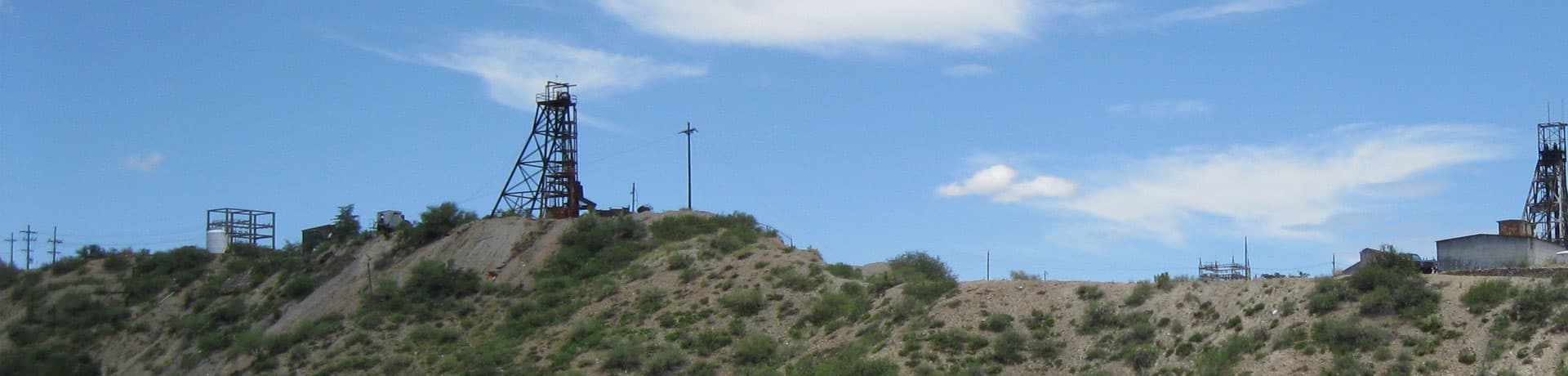
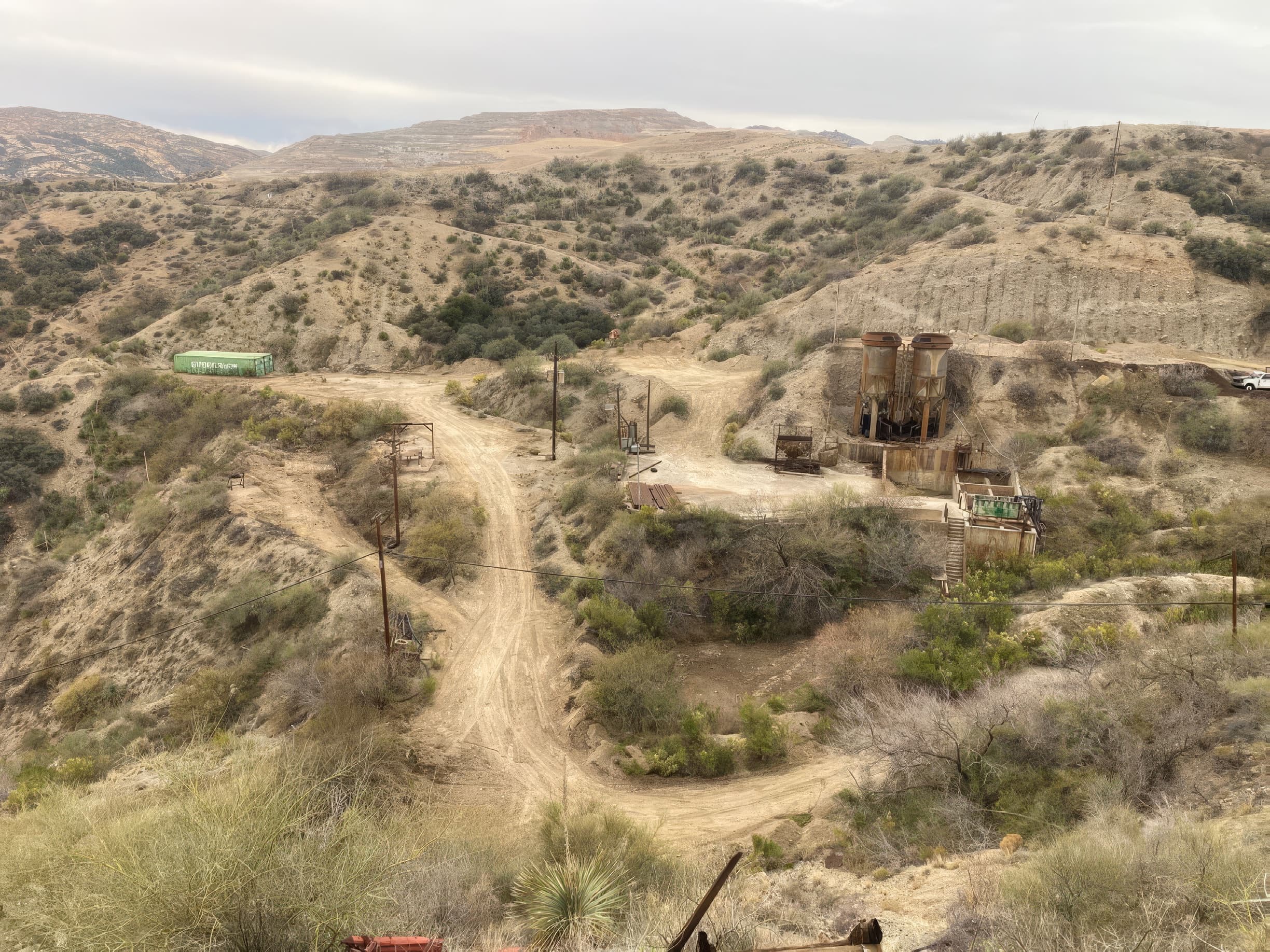
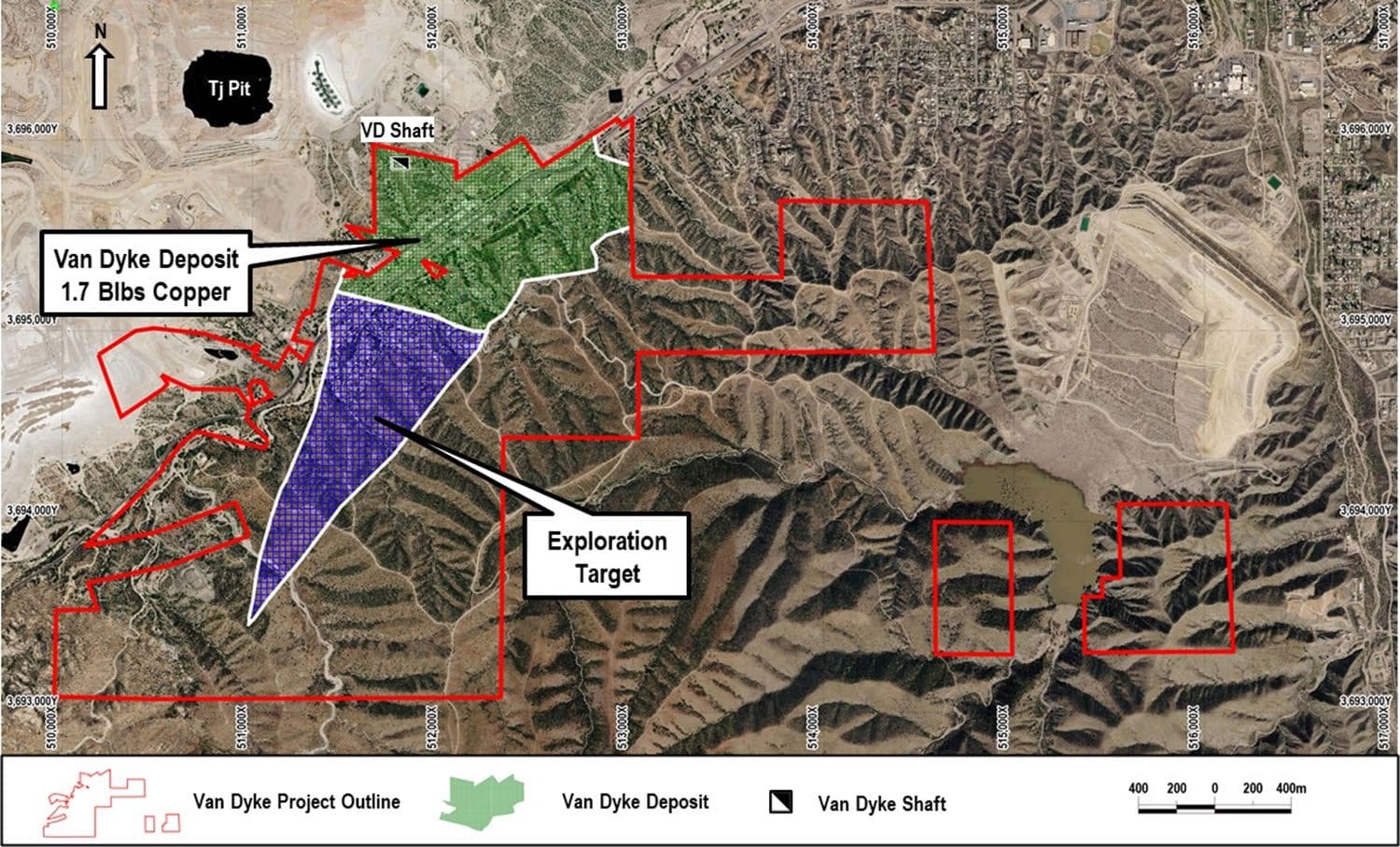
The Desert Fox Van Dyke Co., a wholly owned subsidiary of Copper Fox Metals Inc., owns a 100% working interest in the Van Dyke copper project located in the prolific Globe-Miami porphyry copper mining district, approximately 90 miles east of Phoenix, AZ. The Project covers 531.5 hectares (1,312.8 acres) of mineral rights. Historical copper production from underground mining between 1929 and 1945 produced 11.8Mlb at a reported average grade of 5.0% copper. Between 1988-1989, 4Mlb of copper was recovered utilizing ISCR methods. Arizona is a Tier 1 mining jurisdiction.
ISCR Method
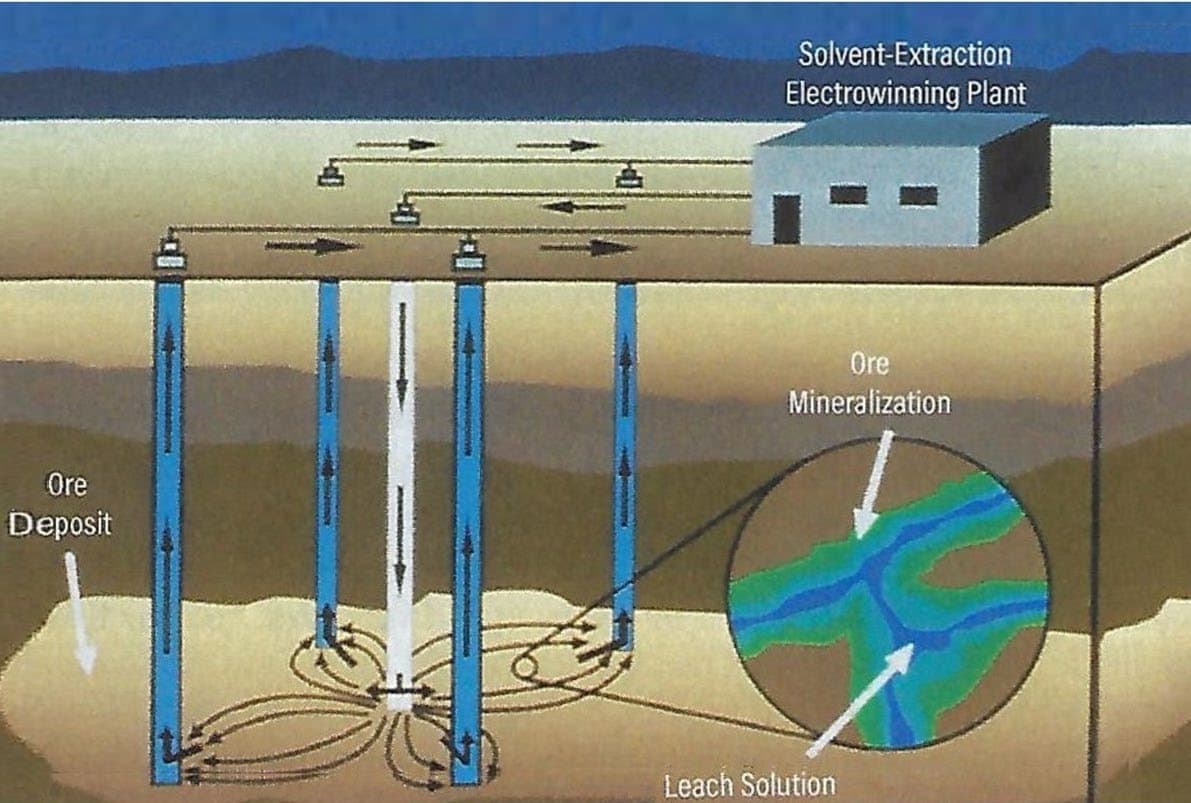
Van Dyke's geology is well suited for ISCR due to the combination of readily soluble copper minerals, fractured nature of the deposit and a low acid consumption host rock that offers a low environmental impact alternative to open-pit or underground mining. The ISCR process involves injection of a low pH solution into an oxidized copper deposit via a series of injection wells. The injected fluid dissolves the soluble copper minerals and the copper laden solution, referred to as PLS, is returned to surface using a series of recovery wells placed around the injection well. At surface the PLS is processed through an SX/EW plant to produce Grade A copper metal at site.
The ISCR method involves leaching, not mining and eliminates the need for blasting, haulage, crushing, grinding, waste piles and tailings storage facilities typically associated with conventional mining operations. The ISCR method requires significantly lower water and energy consumption and generates lower greenhouse gas emissions (GHGs) when compared to conventional mining operations.
Historical pilot scale ISCR tests in the 1970s demonstrated hydraulic connectivity between the injection and recovery wells and successfully recovered copper. Mineral solubility tests on samples from the Oxide and Transition zones in the area designated as Phase I (years 1-7) in the PEA recovered up to 81% of the soluble copper over a 72-hour time period. The very low carbonate content in these samples mitigates the potential to generate carbon dioxide gas and precipitation of gypsum during the leaching process, further supporting the technical case for ISCR at Van Dyke.
Preliminary Economic Assessment (PEA)
In 2021 Copper Fox filed, in accordance with National Instrument 43-101, an independent PEA (click for PEA) and an updated mineral resource estimate (MRE) (click for MRE) for the Van Dyke project. The MRE resulted in upgrading a portion of the Inferred mineral resource category to an Indicated mineral resource category, an increase in overall tonnage and a substantial increase in copper metal. Resource modeling indicated that the Van Dyke deposit is open to the southwest and has significant potential for resource expansion.
Mineral Resources that are not Mineral Reserves do not have demonstrated economic viability.
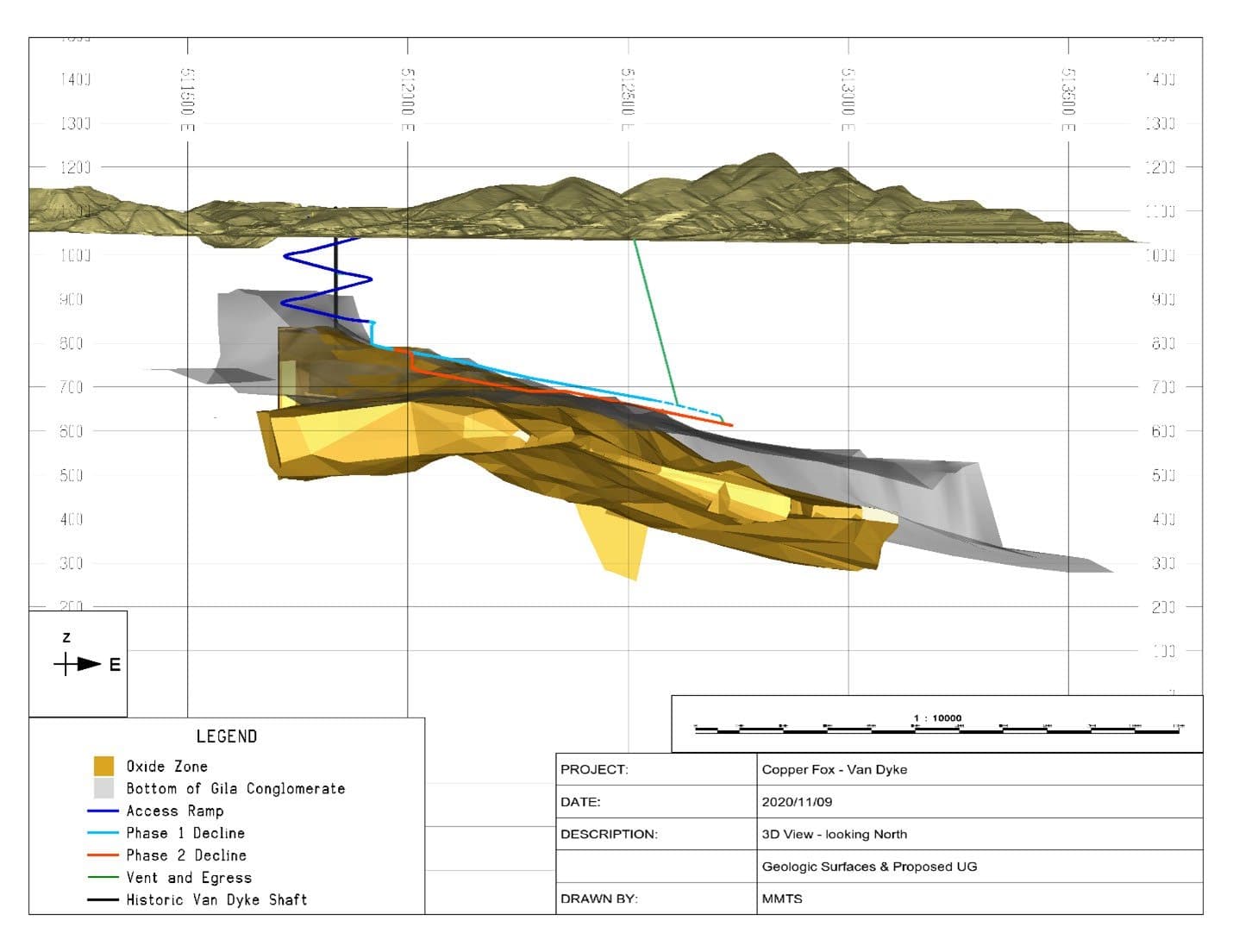
The PEA was prepared under the direction of Moose Mountain Technical Services using a base case metal price of US$3.15/lb for copper. The development plan in the PEA calls for driving a decline from surface to a level approximately 50 meters (m) above the contact between the Gila Conglomerate and the Leach Cap, followed by developing a series of drifts and excavating well bays for installation of the vertical injection and inclined recovery wells to enable leaching and copper recovery operations. Highlights of the PEA are:
Pre-tax NPV 7.5%
US$798.6M
IRR 48.4%, Payback 2.0 yrs
After-tax NPV 7.5%
US$644.7M
IRR 43.4%, Payback 2.1 yrs
EBITDA (LOM)
US$1.8B
Life of Mine
Free Cash Flow (LOM)
US$1.4B
Life of Mine
Key Metrics
The results of the PEA are preliminary in nature. The PEA includes a combination of indicated and inferred mineral resources which are considered too speculative geologically to have the economic considerations applied that would enable them to be categorized as mineral reserves. There is no certainty that the PEA forecasts will be realized or that any of the resources will ever be upgraded to reserves. Mineral resources that are not mineral reserves do not have demonstrated economic viability.
The cash flow model prepared for the PEA indicates that the project economics are sensitive to copper prices. The sensitivity analysis shows that for each US$0.25/lb increase in copper price above the base case copper price, the EBITDA increases by US$270M, the Free Cash Flow increases by US$190M and the after-tax NPV increases by US$90M.
Van Dyke Deposit
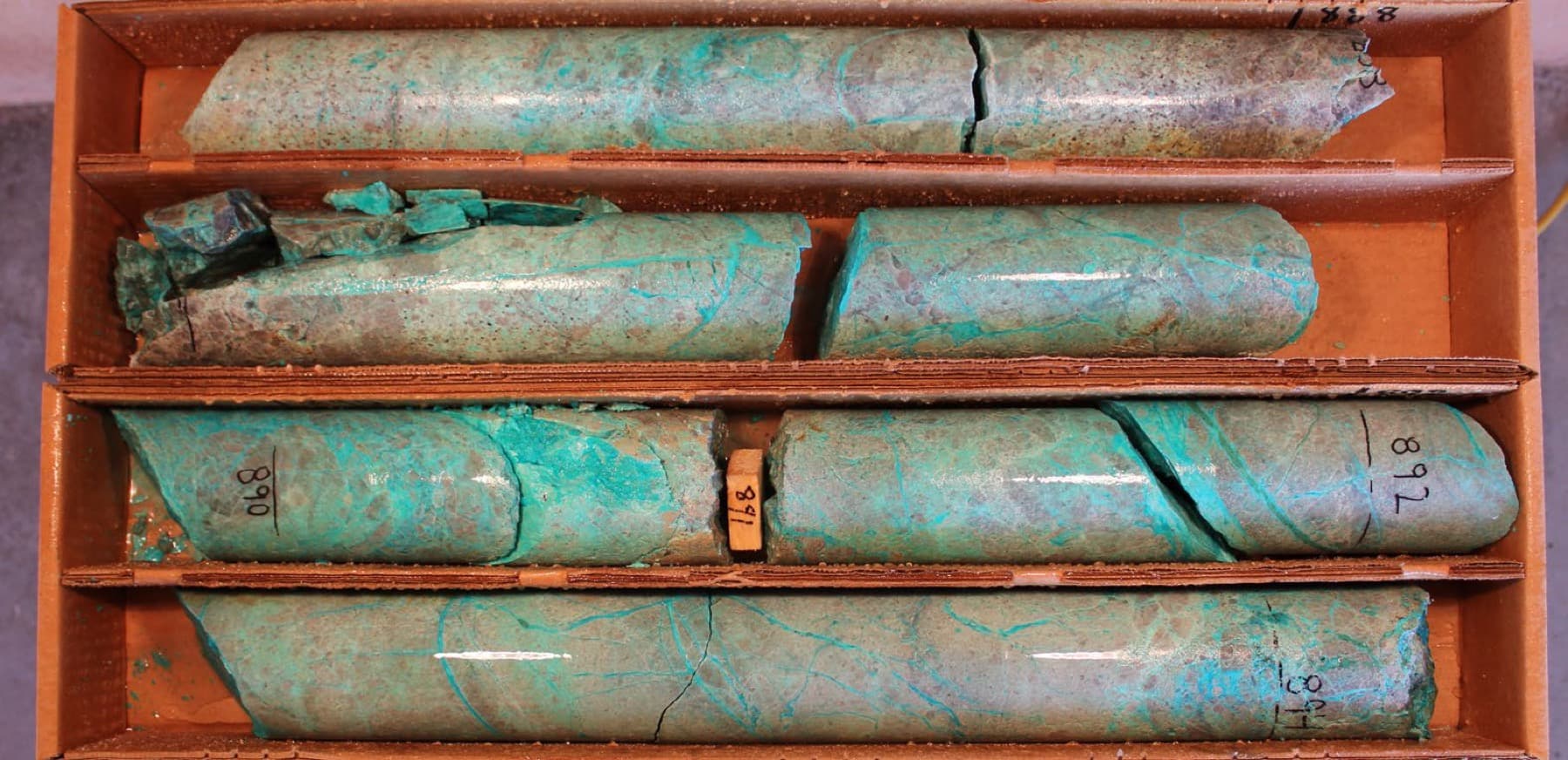
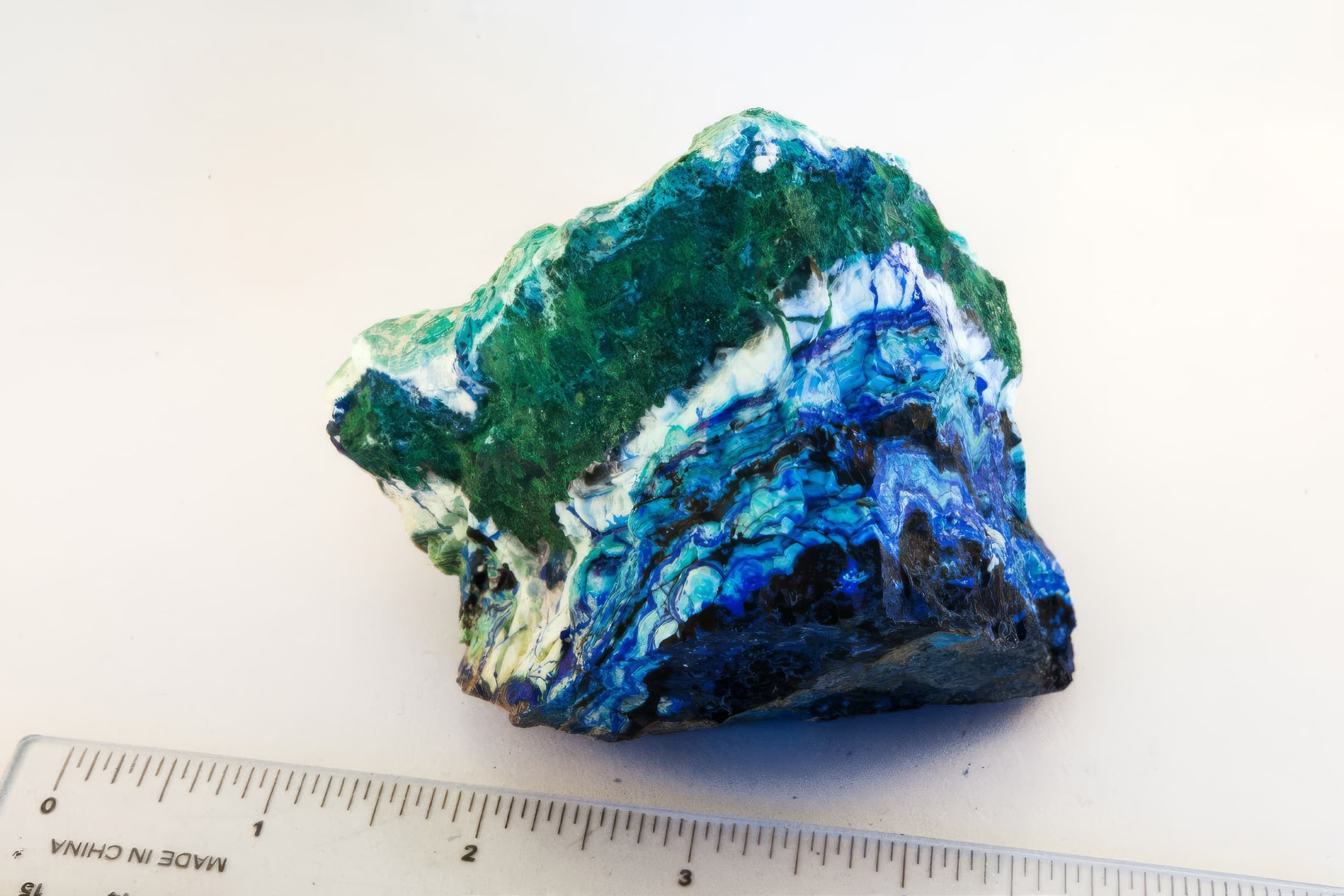
The deposit occurs in naturally fractured Pinal Schist resulting from several weather/oxidization/supergene enrichment cycles of a Laramide age porphyry copper deposit. The deposit is overlain by a clay rich ‘leach cap’ characterized by variable concentrations of hematite, limonite, jarosite, and goethite. The area of economic interest in the deposit includes the upper Oxide zone (primarily chrysocolla, malachite, azurite, native copper and cuprite) and the underlying Transition zone (primarily chalcocite with lesser malachite and chrysocolla). The primary Sulphide zone (primarily chalcopyrite with lesser concentrations of chalcocite and bornite) underlying the Transition zone is not amenable to ISCR copper recovery. The simple geology, fractured nature of the deposit and copper mineralogy are considered positive aspects for extraction of copper utilizing ISCR methodology.
2026 Program
Copper Fox has commissioned an updated Preliminary Economic Assessment of the Van Dyke deposit to assess the impact of the studies completed since 2021 and the significant increase in copper prices. The objective of the PEA is to complete an optimized updated technical assessment of the project to determine project readiness to advance to the Prefeasibility Study stage, prepare an updated financial model and determine a clear path for the permitting and technical programs to advance the project to the Prefeasibility Study stage.
Activities completed in 2026 include expansion of the hydrogeological and groundwater monitoring grid, completion of a preliminary 3D groundwater flow model to better predict solution flow and future copper production, expansion of the mineralized envelope for the Van Dyke deposit and updated geological and mineralogical modelling.
Technical Reports
View the NI 43-101 PEA and Mineral Resource Estimate for the Van Dyke project.
Photo Gallery
Van Dyke in the Field.
Explore Our Other Projects
Copper Fox holds a focused portfolio of porphyry copper projects in Tier 1 mining jurisdictions across British Columbia and Arizona.